What You Can't Put in a Storage Unit in Clarksville, TN
Hazardous goods, food, and valuables stay out of a Clarksville storage unit. See safer drop-offs and what Austin Peay students can load in a 5x5 or 5x10.
What You Can't Put in a Storage Unit in Clarksville, TN
TL;DR / Quick Summary - Hazardous goods, food, living things, wet or pest-attracting items, illegal property, and irreplaceable valuables stay out of a storage unit. - Load dry, clean household goods into a drive-up 5x5 or 5x10. - Park cars, boats, and RVs in gated parking, not inside a unit. - Confirm the facility restriction list at rental before you pack.
Hazardous chemicals, flammable fuels, food, plants, pets, wet trash, stolen or illegal items, and irreplaceable papers do not belong in a storage unit. Typical Clarksville facilities ban those categories to protect people, property, and neighboring tenants. Safer destinations exist for each one.
This guide names the bans, points each category to a better place, and shows what Austin Peay State University students can load into a drive-up 5x5 or 5x10 at Cherry Station Self Storage.
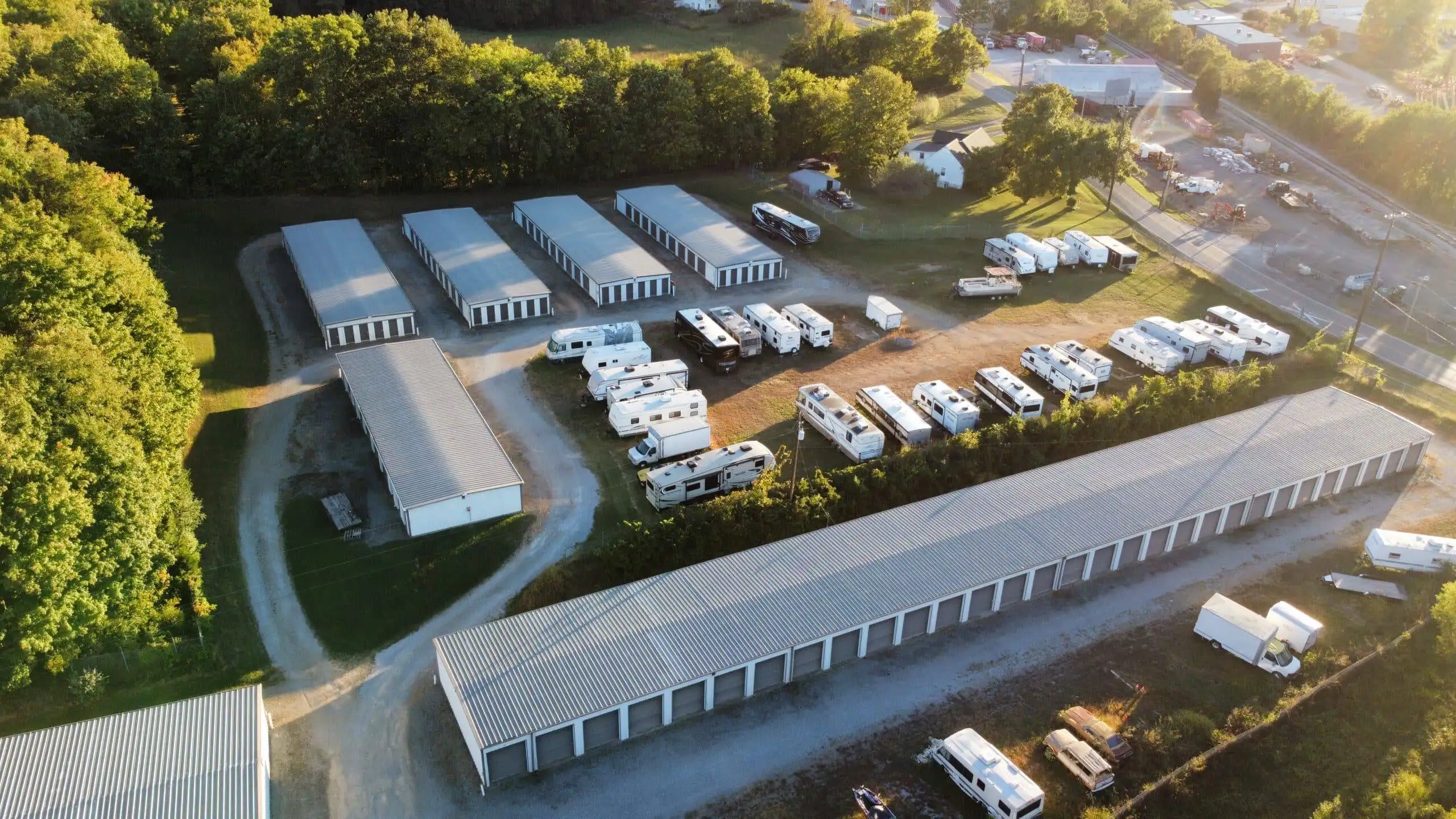
What Items Are You Not Allowed to Store in a Storage Unit?
Four buckets cover most bans:
- Fire risk: fuels, solvents, paints, propane, fireworks, explosives
- Food and living things: groceries, leftovers, plants, pets
- Wet or dirty items that draw pests
- Cash, IDs, documents, and one-of-a-kind valuables
| Category | Keep out of the unit | Safer place |
|---|---|---|
| Hazardous and flammable | Paint, solvents, propane, gas cans, fireworks | Household hazardous-waste drop-off |
| Food and living things | Groceries, leftovers, plants, pets | Eat, donate, trash, or take home |
| Wet or pest-attracting | Damp towels, trash, infested items | Dry, clean, or discard |
| Irreplaceable valuables | Cash, IDs, jewelry, original documents | Keep with you or send home |
| Vehicles and fuel | Car, boat, RV, spare fuel, large lithium packs | Gated parking or battery recycling |
Facility rules bar stolen or illegal property. Keep those items out of the facility.
Ask for the facility's own restriction list before you pack the car. Typical rules are a starting point, not a substitute for the contract.
Why Do Self Storage Facilities Ban These Items?
Self storage is shared space. Your door sits a few feet from someone else's belongings. A spark, a leak, or rotting food does not stop at your lock.
Fuels and solvents can ignite. Fumes can travel down a row of roll-up doors. Food and damp fabric draw pests that move from unit to unit.
These bans exist for fire, fumes, leaks, and pest spread. They protect you and the renter next door. Treat them as practical rules.
Why does this matter during an Austin Peay move-out?
Lease-end windows around Austin Peay State University are short. Dorm kitchens and mini-fridges still hold food. Closets still hold aerosol cans, leftover paint, art-studio solvents, and half-used cleaners.
Packing first and sorting later creates a fire risk, a pest problem, or a lease issue. Sort banned items now. Load household goods after that pass.
Which Hazardous and Flammable Items Stay Out of a Unit?
Typical facilities ban fuels, solvents, paints, propane, fireworks, explosives, and illegal or stolen property. Name the category. Keep it out of the unit.
Do not mix products. Do not treat chemicals in a parking lot.
Art-studio solvents and leftover lab chemicals sit in the same bucket as household cleaners with a flammable label. The label is the signal. The unit is the wrong destination.
Chemicals, fuels, paints, and anything that can ignite
Students often own lighter fluid, aerosol cans, leftover wall paint, and a small propane cylinder for a balcony grill. Those items stay out of a storage unit. The same rule covers camping fuel, paint thinner, and anything marked flammable or combustible.
Empty or return what you can. Use a household hazardous-waste drop-off for the rest.
A drive-up unit holds totes and furniture. It does not hold a fuel can.
Stolen property and illegal items
Illegal items and stolen goods do not belong in a unit. Facility rules bar them. Do not pack them.
Typical self-storage rules treat this as a hard stop, same as fire risk.
Can You Store Food, Plants, or Pets in a Storage Unit?
No. A drive-up unit is not a pantry or a greenhouse.
Perishables spoil. Odors spread. Pests follow the smell into neighboring units.
Living things need water, light, and care a locked unit cannot give. Typical facilities keep food, plants, and animals off the allowed list.
Groceries, leftovers, and mini-fridge contents
Finish the food. Donate unopened, unexpired goods if a local pantry accepts them. Discard spoiled items before you load a single box.
Mini-fridge leftovers, open ramen, condiment bottles, and snack bags stay out. Plan that step on move-out day, not after you arrive at the gate.
An empty, dry, unplugged mini-fridge can go with household goods. The contents cannot.
Plants, pets, and other living things
Take plants home, give them to a friend, or leave them with a roommate who is staying in town. A succulent on the windowsill still counts as living.
Pets, fish, and any other living thing are not storage contents. A weekend in a dark unit is not a care plan.
What Wet or Dirty Items Attract Pests in Storage?
Damp bedding, last week's trash, unwashed food containers, and items that already show mold or bugs do not go in a unit.
Dry the laundry. Clean the bins. Throw away trash and anything that already smells or crawls.
Under-the-bed clutter from a dorm is often a mix of paper, food wrappers, and damp towels. Sort it.
The wrappers go in the dumpster. The towels go through a dryer. The papers you still need go in a labeled tote.
If an item needs special environmental conditions, keep it with you. A standard drive-up unit is the wrong place for it. Load only what is dry, clean, and sealed.
Should You Leave Cash, IDs, or Irreplaceable Valuables in a Unit?
No. Gated access and cameras protect a facility. They do not replace a wallet, a bank, or a family safe.
Cash, passports, Social Security cards, backup drives of essential records, jewelry, and one-of-a-kind keepsakes are a poor fit for a 5x5.
Financial-aid paperwork, a birth certificate, and a grandmother's necklace travel with you or go home with family. A storage unit is for replaceable household goods: clothes, books, a coffee maker, a lamp. Items you cannot replace stay in your bag.
Should a Car, Boat, or RV Go in a Storage Unit?
No. A car, boat, or RV belongs in a parking space. Household goods belong in a drive-up unit.
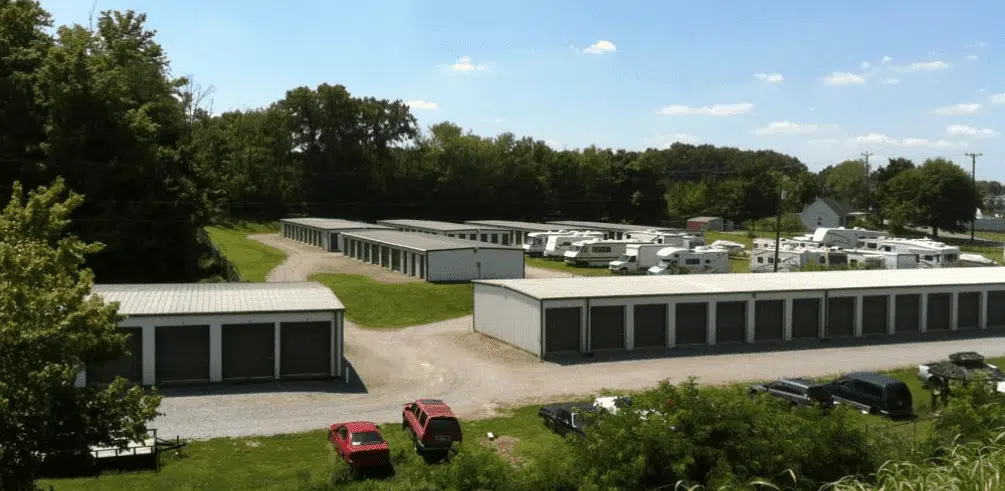
Cherry Station Self Storage offers covered and uncovered boat, RV, and vehicle parking with electric gated access. Use that product for vehicles.
Do not park a vehicle inside a storage unit and pile boxes around a bumper. Spare gas, e-scooter batteries, and e-bike batteries stay out of the unit.
A student who needs to leave a car in Clarksville for the summer wants a parking space. A family vehicle, boat, or RV follows the same split.
When is vehicle parking the right choice?
Street parking, campus lot rules, an HOA, or a full driveway can leave a vehicle, boat, or RV with nowhere to sit. Gated parking gives you a defined space and a way in 8:00 AM to 8:00 PM daily. That is the right product when the item has wheels and a fuel tank.
Clarksville drive-up storage holds the boxes. Parking holds the vehicle.
Spare fuel and rechargeable batteries
Typical rules keep fuel containers and high-energy rechargeable batteries out of a unit. Do not pack spare gas, spare propane, or large lithium packs with your clothes and books. Drain or return small equipment per the manufacturer, then keep the battery or fuel out of the unit.
Where Should Banned Items Go Instead of a Storage Unit?
Every banned category has a better destination than a locked unit. Confirm local drop-off rules with the city or county before you drive.
This article does not name a site or a schedule. Those details change.
Use up, donate, discard, or take to proper drop-off
Eat the groceries or donate sealed food if a pantry will take it. Trash what is spoiled. Give healthy plants to a roommate or take them home.
Paint, solvents, propane, and fuel go to a municipal or household hazardous-waste drop-off. Never put those items in a dumpster at the facility. Never put them in a unit.
Check Clarksville and Montgomery County guidance for current drop-off options.
Aerosols, leftover lab chemicals, and grill propane follow that same hazardous-waste path. Fireworks and explosives stay out of the unit and out of the regular trash. Follow local disposal rules for those items.
Keep with you, send home, or use vehicle parking
Passports, IDs, cash, jewelry, and irreplaceable photos travel in your bag or go home with family. A hard drive of tax records or financial-aid files follows the same rule.
Vehicles, boats, and RVs use covered or uncovered parking spaces, not the interior of a storage unit. That split keeps household goods in one product and rolling stock in another.
E-scooter and e-bike batteries stay with you or go through a proper battery-recycling channel. They do not sit in a tote of hoodies.
What Can Austin Peay Students Put in a 5x5 or 5x10?
Austin Peay student storage for a summer or a lease gap is clothes, bedding, packed kitchenware, books, small furniture, and the posters and lamps that made the dorm feel like home.
Cherry Station Self Storage rents drive-up 5x5 and 5x10 units on month-to-month terms, with online rental, electric gated access, 24/7 surveillance, and well-lit premises.
Load what belongs. Leave the rest out.
A 5x5 suits a tight dorm pack-out. A 5x10 suits a student who is keeping a small dresser, a bike with no fuel can, and stacked bins. Self storage in Clarksville, TN works for that short gap when the load is household goods only.
Typical dorm and apartment belongings
| Unit size | Common student load |
|---|---|
| 5x5 | Boxes of clothes, empty dry mini-fridge, lamp, textbooks, a few totes |
| 5x10 | Compact desk or dresser, winter clothes, wrapped kitchenware, stacked bins, a bike with no fuel |
Cover items. Keep them off the floor on pallets or spare boards. Label every box facing the aisle.
Pack allowed items dry, clean, and sealed. Montgomery County storage units of this size are a common fit for a semester break. They are not a place to hide a propane tank or a bag of groceries.
How do month-to-month terms fit summer and lease gaps?
Month-to-month storage in Clarksville matches a budget and a semester calendar. You do not need a long lease for a three-month break. You can reserve a 5x5 or 5x10 online when the checklist below is done.
Online rental fits a short window between exams and a new lease. Drive-up access means you pull up, unload, and lock the door.
Gated access 8:00 AM to 8:00 PM daily, well-lit premises, and 24/7 surveillance back the household goods you are allowed to leave.
What Should You Check Before You Load the Unit?
- Confirm restricted items with the facility at rental. Typical rules are a starting point, not a substitute for the lease.
- Remove food, plants, fuel, chemicals, paint, fireworks, and illegal items.
- Keep cash, IDs, documents, jewelry, and one-of-a-kind keepsakes with you.
- Dry bedding and clothes. Clean containers. Trash anything damp, dirty, or infested.
- Choose a 5x5 or 5x10 based on how much furniture you are keeping.
- Plan a drive-up load-in. Pull up, unload, lock up.
- If you have a car, boat, or RV to leave, ask about parking, not a unit interior.
Ready to Load a Drive-Up Unit in Clarksville?
A storage unit is the right tool for household goods and the wrong tool for fuel, food, living things, and irreplaceable papers. Sort first. Use safer places for banned items.
Then rent drive-up storage in Clarksville when you know what you can load.
Cherry Station Self Storage
The Cherry Station Self Storage team serves Clarksville and Montgomery County, Tennessee, including Fort Campbell military families and Austin Peay students. They provide drive-up units in a range of sizes, covered and uncovered boat, RV and vehicle parking, and electric gate access from 8:00 AM to 8:00 PM daily on month-to-month terms, and write about sizing, moving and storage decisions for the local area.